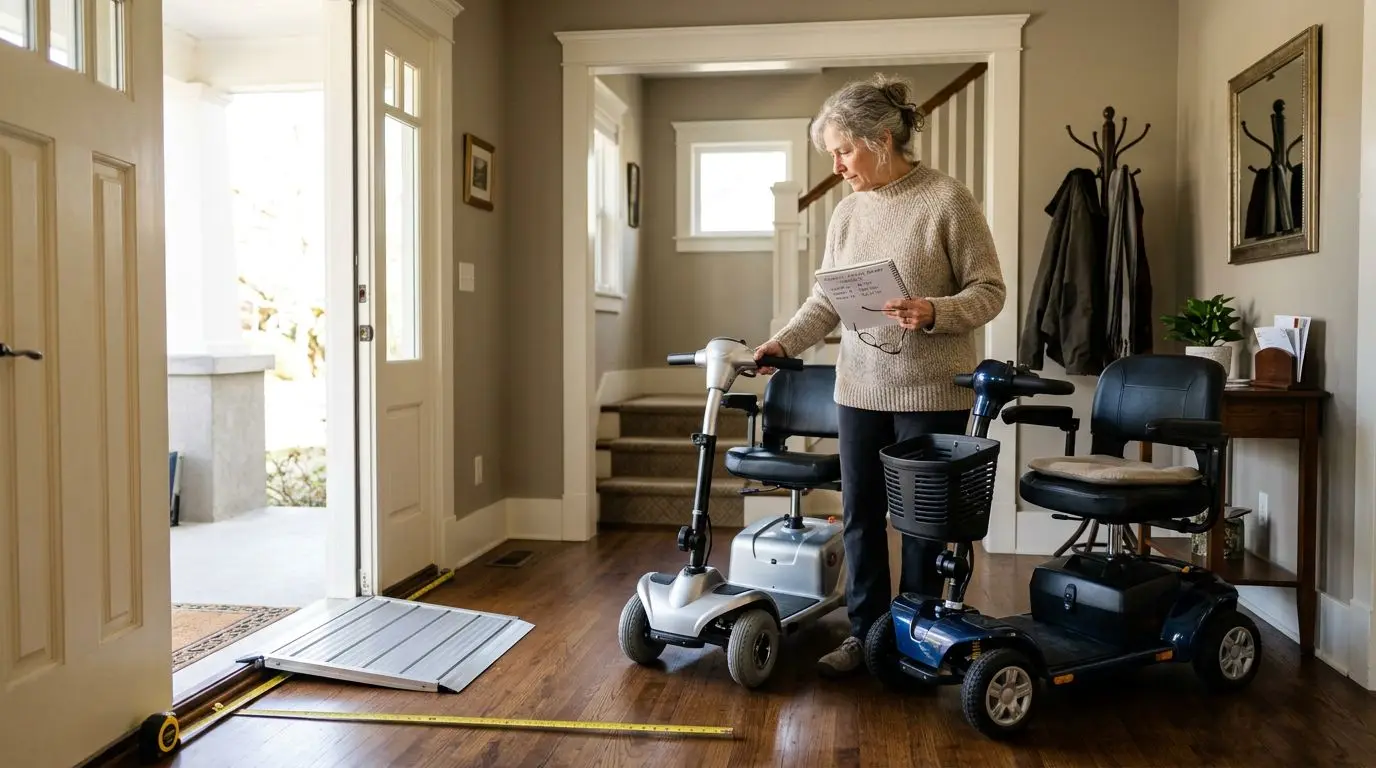
A mobility scooter in the US typically costs about $800 to $5,000 or more, depending on size, portability, weight capacity, battery range, comfort, and terrain capability. Basic travel scooters are at the lower end, while heavy-duty, all-terrain, and higher-comfort scooters cost more upfront and may also be more expensive to transport, store, and maintain. The best value is not always the cheapest scooter; it is the one that safely fits your body, home, vehicle, daily routes, and long-term ownership budget.
For many shoppers, the sticker price is only part of the decision. Batteries, ramps, lifts, weather covers, delivery, repairs, and replacement tires can add meaningful costs over 3 to 5 years. This guide breaks down typical price ranges, feature tradeoffs, and practical ways to choose without overspending.
Typical US mobility scooter price ranges: $800 to $5,000+
Most new mobility scooters fall within a broad range of roughly $800 to $5,000+, with a large middle ground between $1,500 and $3,500. Prices vary because mobility scooters are built for different jobs: quick indoor errands, car-friendly travel, neighborhood trips, rougher outdoor paths, or higher weight capacities.
Treat these ranges as planning numbers, not guarantees. Retail prices change, freight costs vary, and accessories are often sold separately. Still, the categories below can help you set a realistic budget.
| Scooter type | Typical new price range | Common strengths | Common tradeoffs |
|---|---|---|---|
| Basic travel scooter | $800 to $1,500 | Disassembles into pieces, lighter parts, good for errands and smooth surfaces | Shorter range, smaller seat, lower ground clearance |
| Folding scooter | $1,200 to $2,500 | Compact storage, easier for apartments, closets, and car trunks | May have less comfort and smaller batteries than full-size scooters |
| Mid-size 3-wheel scooter | $1,300 to $2,800 | Tighter turning radius, comfortable for indoor and outdoor use | Less stable than 4 wheels on uneven ground |
| Mid-size 4-wheel scooter | $1,500 to $3,200 | More stable outdoors, good for sidewalks and neighborhood use | Larger turning radius and more space needed at home |
| Heavy-duty scooter | $2,500 to $5,000+ | Higher weight capacity, larger seat, stronger frame, longer range options | Heavier, harder to transport, may require a vehicle lift |
| All-terrain or high-clearance scooter | $3,000 to $6,000+ | Larger tires, improved suspension, more ground clearance for rougher outdoor routes | Bulky, higher maintenance exposure, not ideal for tight indoor spaces |
If you will mainly use the scooter inside a grocery store or medical building, a model near $1,000 to $2,000 may be enough. If you need longer outdoor trips, a larger seat, a higher weight rating, or better suspension, expect the budget to move closer to $2,500 to $5,000.
What features change the price? 7 cost drivers to compare
Two scooters can look similar online and still differ by $1,000 or more. The gap often comes from parts you do not immediately see: battery capacity, frame strength, suspension quality, braking system, electronics, and how much weight the scooter is designed to carry.
| Feature | Why it affects cost | What to look for |
|---|---|---|
| Weight capacity | Frames, motors, seats, and tires must be stronger for higher loads | Choose a capacity at least 20 to 50 lb above the rider's current weight when possible |
| Battery range | Larger battery packs cost more and add weight | Compare realistic daily distance, not just maximum advertised range |
| Portability | Folding mechanisms and easy-disassembly frames add design cost | Check the heaviest piece, often 35 to 70 lb on travel scooters |
| Suspension | Springs, shocks, and stronger frames improve ride comfort outdoors | Important if you use cracked sidewalks, brick paths, or longer routes |
| Seat size and adjustability | Wider, padded, swivel, and reclining seats raise cost | Seat width commonly ranges from about 16 to 22 inches |
| Ground clearance | More clearance often means larger tires and a taller frame | Small scooters may have about 2 to 3 inches; outdoor models may offer more |
| Lighting and controls | Headlights, brake lights, displays, and ergonomic tillers increase component cost | Prioritize visibility and controls you can operate comfortably |
Do not pay for features you will not use. A high-clearance scooter may be unnecessary on smooth indoor floors, while a very compact scooter may feel punishing if you plan to ride 2 miles at a time on older sidewalks.
Who it's best for: matching budgets from under $1,200 to $4,000+
A good budget starts with the person, not the price tag. Think about where the scooter will be used 80% of the time, how far it must travel between charges, and whether anyone will need to lift it into a car.
Under $1,200: short trips and smooth surfaces
This range is usually best for riders who need basic mobility support in stores, apartment buildings, paved paths, or occasional outings. Expect smaller seats, limited ground clearance, and lighter-duty parts. It can be a sensible choice for someone who travels short distances and can charge the scooter after each use.
$1,200 to $2,500: portable and mid-size everyday use
This is a common range for shoppers who want better comfort, more stability, or easier transport. Many scooters in this bracket are designed to disassemble or fold, and some mid-size units offer a more comfortable seat and a smoother ride than a basic travel scooter.
$2,500 to $4,000: longer range and better outdoor comfort
Riders who use sidewalks daily, need more legroom, or want stronger suspension often land here. A scooter in this range may be more suitable for neighborhood errands, senior community campuses, parks with paved paths, or larger stores where comfort over time matters.
$4,000 and up: heavy-duty, high-capacity, or terrain-focused needs
This budget is usually for specific requirements: higher weight capacity, larger tires, more ground clearance, advanced suspension, or extended battery range. These scooters can be valuable for the right person, but they also need more storage space and may require a ramp or vehicle lift for transport.
How to choose and measure before spending: 6 numbers that matter
Before comparing prices, measure your real environment. A scooter that is affordable but too wide for your hallway or too heavy for your caregiver to lift is not a bargain.
- Doorway width: Many interior doorways are about 28 to 32 inches wide. Measure the narrowest doorway the scooter must pass through, including trim.
- Turning space: Smaller 3-wheel scooters often turn more tightly than 4-wheel scooters. Measure bathrooms, kitchens, elevators, and bedroom corners.
- Rider weight plus margin: If the rider weighs 250 lb, a 250 lb capacity scooter leaves no buffer. A higher rating can support safer performance and put less strain on components.
- Heaviest lift piece: If the scooter disassembles, check the heaviest part. A 45 lb base may be manageable for one person; a 75 lb piece may not be.
- Daily distance: Estimate the farthest typical day. If errands total 4 miles, shop for range beyond that because hills, cold weather, rider weight, and battery age can reduce real-world distance.
- Ground clearance: A 2-inch threshold, steep driveway lip, or uneven sidewalk can be a problem for a low travel scooter. Measure the obstacles you actually face.
Seat fit matters, too. Measure hip width while seated and compare it with the scooter's seat width. Add room for clothing and comfort, especially if the rider will sit for 30 minutes or longer at a time.
Batteries, chargers, and replacements: plan for $100 to $700+
Mobility scooter batteries are a major long-term cost. Many scooters use sealed lead-acid or lithium battery packs, and replacements can range from roughly $100 to $700+ depending on chemistry, size, voltage, and whether the battery is a simple pair of standard batteries or a proprietary-style pack.
Smaller travel scooters often use lighter battery packs, while larger scooters may use bigger paired batteries for more range. Some systems use 12-volt batteries in pairs to supply a 24-volt scooter system. Lithium packs usually weigh less and may last longer with good care, but they often cost more upfront.
Charging habits affect value. Most owners charge after use or overnight, and many chargers take about 6 to 10 hours depending on battery size and discharge level. Avoid storing a scooter for months with depleted batteries, because that can shorten battery life. If you travel by air, check airline rules before buying a scooter with a lithium battery, since watt-hour limits and handling policies matter.
Accessories and setup costs: $20 bags to $1,500 vehicle lifts
Accessories can make a scooter safer and more useful, but they can also stretch the budget quickly. Some shoppers spend less than $100 on a basket liner and cup holder; others need a ramp, weather protection, or a lift that costs far more than small add-ons.
| Accessory or service | Typical cost range | When it may be worth it |
|---|---|---|
| Cane or crutch holder | $20 to $80 | If the rider transfers and walks short distances with support |
| Rear basket or storage bag | $30 to $150 | For groceries, medications, jackets, or personal items |
| Weather cover or tiller cover | $30 to $200 | For storage in a garage, carport, or covered patio |
| Safety flag, mirrors, or extra lights | $15 to $150 | For parking lots, senior communities, and low-light areas |
| Portable threshold ramp | $80 to $400 | For 1 to 4 inch doorway lips or small entry steps |
| Vehicle carrier or lift | $500 to $1,500+ | For heavier scooters that cannot be lifted into a trunk |
| White-glove delivery or setup | $100 to $300+ | If assembly, unpacking, or battery setup would be difficult |
Budget for the accessories you truly need on day 1. A scooter that stays in the garage because there is no ramp over a 3-inch threshold does not deliver value, even if the scooter itself was fairly priced.
3-to-5-year ownership cost: the real value test
The real cost of a mobility scooter is the purchase price plus upkeep over time. Over 3 to 5 years, battery replacement, tires, service calls, and transport equipment can add hundreds or even thousands of dollars, especially for larger scooters.
| Cost category | How often it may occur | Budget note |
|---|---|---|
| Battery replacement | Often every 2 to 4 years, depending on use and care | One of the most common major ownership costs |
| Tires | Varies by tire type and mileage | Solid tires avoid flats but can ride firmer; pneumatic tires may need air and repairs |
| Seat or armrest wear | After years of frequent use | Comfort parts can wear faster with daily riding |
| Brake or electronic service | As needed | Costs vary by local labor and parts availability |
| Transport equipment | Usually upfront, but may change with vehicles | A lift or carrier can cost more than several small accessories combined |
| Electricity | Ongoing | Usually modest compared with batteries, service, and accessories |
Value is personal. A $1,100 scooter used twice a month for indoor errands may be a smart buy. A $1,100 scooter used daily on rough sidewalks by a rider who needs a larger seat may wear quickly and feel uncomfortable, making a higher-quality mid-size scooter the better long-term value.
New, used, rental, or refurbished: savings of 20% to 50% can come with tradeoffs
Buying used or refurbished can reduce the upfront cost, sometimes by 20% to 50% compared with a similar new scooter. The tradeoff is uncertainty: battery age, hidden wear, missing chargers, limited warranty, and parts availability can all change the real cost.
If you are considering used, inspect the scooter in person when possible. Check that it starts smoothly, brakes reliably, charges fully, and drives straight without unusual noises. Ask the age of the batteries and whether the charger is included. A low price can lose its appeal if you immediately need a $300 battery pack or a service visit.
Renting may make sense for short-term recovery, travel, or a visiting relative. Daily and weekly rentals can be useful for 3 days at a theme park or 2 weeks after a procedure, but frequent rental can become more expensive than ownership if the need is ongoing. For medical questions or recovery planning, speak with a qualified clinician; a scooter is a mobility tool, not a treatment.
Insurance, Medicare, and tax considerations: approval can take weeks
Some buyers explore Medicare, Medicaid, veterans benefits, private insurance, flexible spending accounts, or health savings accounts. Coverage rules vary, and approval can take days to weeks or longer because documentation is often required.
In general, coverage decisions depend on medical necessity, where the scooter will be used, and whether the person can safely operate it. A clinician may need to document mobility limitations and explain why a scooter is needed for daily activities. Plans often have specific supplier rules, deductibles, copays, and prior authorization steps.
Do not assume a scooter will be covered just because walking is difficult. Call the plan before buying, ask what documentation is required, and confirm whether reimbursement is allowed if you purchase out of pocket. Keep receipts for the scooter, batteries, accessories, delivery, and repairs in case they are needed for benefits or tax records.
How to avoid overpaying: use a 30-minute checklist
A focused 30-minute checklist can prevent expensive mistakes. Write down your measurements, daily use pattern, transport plan, and must-have features before looking at listings or visiting a dealer.
- Separate needs from nice-to-haves: A swivel seat may be essential for safe transfers; decorative styling is not.
- Compare total package cost: Include scooter, batteries, charger, delivery, ramp, lift, basket, and first likely service.
- Ask about return rules: Restocking fees and return shipping can be expensive on a scooter weighing 100 to 250 lb.
- Check parts availability: Tires, batteries, armrests, chargers, and controllers should be obtainable without excessive delay.
- Test the turning radius: If possible, try the scooter in a space similar to your kitchen, hallway, or elevator.
- Confirm service options: Local service can be important for people who cannot lift or ship a scooter for repairs.
Cheap is not the same as economical. A properly fitted scooter that lasts, charges reliably, and can be serviced locally may cost less over time than a low-priced scooter that needs early replacement.
FAQ: 5 common cost questions
What is the average cost of a mobility scooter?
A practical average shopping range is about $1,500 to $3,500 for many new mobility scooters, though basic travel scooters can be closer to $800 to $1,500 and heavy-duty models can exceed $5,000. The right range depends on size, range, weight capacity, portability, and terrain.
Are expensive mobility scooters always better?
No. A $4,000 scooter may be a poor fit for a small apartment if it cannot turn in tight rooms, while a $1,500 scooter may be excellent for smooth indoor use. Better means better matched to the rider, home, vehicle, and daily routes.
How much should I budget for replacement batteries?
Plan for roughly $100 to $700+ depending on battery type and size. Smaller sealed lead-acid battery sets are usually less expensive than larger lithium packs, but actual costs vary by scooter design and supplier.
Can a mobility scooter fit in a car trunk?
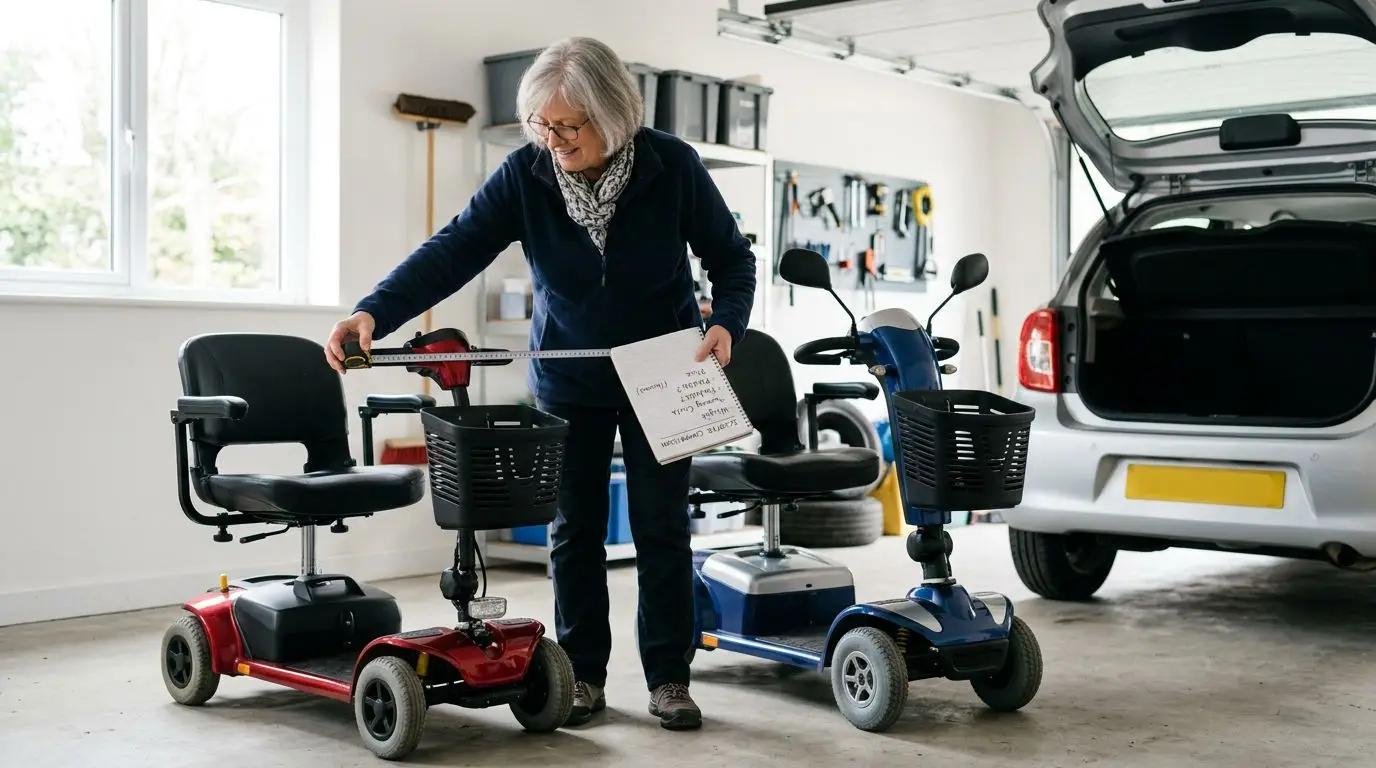
Some travel and folding scooters can fit in many car trunks, but you must check folded dimensions and the heaviest piece. If the base section weighs 60 lb and the caregiver can safely lift only 35 lb, trunk fit alone does not solve the problem.
Is a 3-wheel or 4-wheel scooter a better value?
A 3-wheel scooter can be a better value for tight indoor spaces because it usually turns more sharply. A 4-wheel scooter may be the better value outdoors because it typically feels more stable on sidewalks and uneven surfaces. Match the wheel layout to where you ride most.
Frequently asked questions
What is the average cost of a mobility scooter? +
Many new mobility scooters fall between about $1,500 and $3,500, while basic travel scooters may cost around $800 to $1,500 and heavy-duty scooters can exceed $5,000.
What costs should I expect after buying a mobility scooter? +
Common ownership costs include replacement batteries, tires, accessories, ramps or lifts, delivery, and occasional service. Batteries are often the largest recurring cost.
Is a cheaper mobility scooter a bad idea? +
Not always. A lower-cost scooter can be a good value for short trips on smooth surfaces, but it may be the wrong choice if you need more range, a higher weight capacity, better suspension, or outdoor stability.
How much do mobility scooter batteries cost? +
Replacement batteries commonly range from about $100 to $700 or more, depending on battery chemistry, capacity, voltage, and scooter design.
Should I buy a used mobility scooter? +
A used scooter can save money, but inspect battery age, charger condition, brakes, tires, frame wear, and parts availability. A low price may not be a bargain if major parts need replacement right away.
Related guides
Cheap Mobility Scooters: How to Save Money Without Buying the Wrong Type
16 min read
Is a Mobility Scooter Worth the Cost? How to Weigh Price Against Independence, Safety, and Daily Use
17 min read
The Total Cost of Owning a Mobility Scooter: Batteries, Repairs, Accessories, Transport, and Maintenance
15 min read